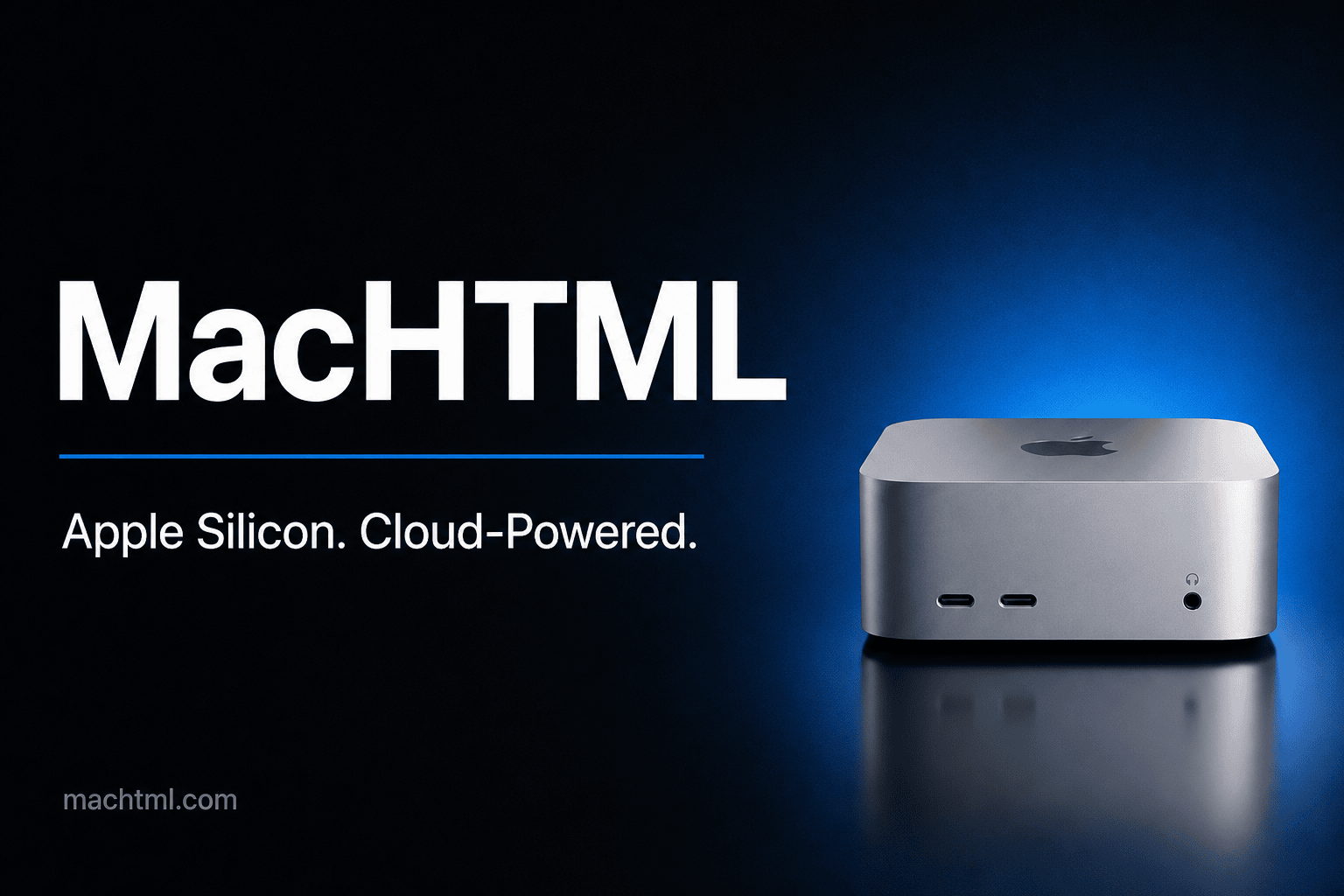
The Rise of Meta Compute: From Social Giant to AI Landlord
On July 1, 2026, Bloomberg reported a seismic shift in the silicon landscape: Meta is officially launching "Meta Compute," an internal venture designed to rent out its excess AI processing power. Following the announcement, Meta’s pre-market shares surged by 8% to 10%, signaling investor confidence in Mark Zuckerberg’s pivot from social networking to infrastructure leasing.
Meta Compute offers a two-tier strategy to capture the market. First is Model-as-a-Service (MaaS), providing API-level access to flagship models like Muse Spark. Second is the Bare-metal infrastructure play, directly competing with "neocloud" titans like CoreWeave by leasing out raw H100 and H200 clusters. With Meta’s 2026 AI capital expenditure projected between $125 billion and $145 billion, the company has transitioned from a consumer of chips to a global wholesaler of intelligence.
Why the "Compute Rent" Strategy Matters in 2026
The motivation behind Meta Compute is a mix of necessity and opportunism. During a May shareholder meeting, Zuckerberg noted that external firms were "begging" to buy Meta's compute at a premium almost weekly. When you are spending over $100 billion a year on hardware, renting out the "idle hours" isn't just a side hustle—it’s a financial imperative to offset massive depreciation costs.
However, this "AI Landlord" era brings specific pain points for independent developers and systems architects:
1. Vendor Lock-in: Moving massive datasets between Meta Compute and AWS or local nodes incurs high egress fees.
2. Hidden Latency Costs: Real-time AI agents suffer when forced to travel through public cloud gateways.
3. The "Subscription Tax": API costs for high-token workloads can quickly exceed the cost of purchasing mid-range hardware.
4. Privacy Volatility: Relying on a third-party "Bare-metal" provider means your proprietary model weights are technically residing on someone else's silicon.
Decision Matrix: Meta Compute Cloud vs. Local Mac Mini M4
For geeks and architects, the choice isn't just about speed; it's about ownership. Here is how the 2026 landscape looks when comparing the "Temple" (Meta) to the "Wilds" (Your Home Lab).
| Feature | Meta Compute (Bare-metal) | Mac Mini M4 / M4 Pro (Local) |
|---|---|---|
| Target Audience | Enterprise training / Massive scaling | Local inference / Privacy-centric Dev |
| Architecture | NVIDIA H100 / H200 Clusters | Apple Silicon (Unified Memory) |
| Scalability | Near-infinite (Credit card required) | Fixed (Limited by physical RAM) |
| Data Privacy | Subject to TOS & Cloud Security | Absolute (Zero-trace / Offline) |
| Cost Basis | OpEx (Pay-as-you-go) | CapEx (One-time purchase) |
| Best For | 70B+ Parameter Model Training | 7B - 34B local LLM / Home Automation |
Building Your Personal AI Fortress: 5 Essential Steps
If Meta is building a "Computing Empire," the Mac Mini M4 is the "Geek’s Last Line of Defense." Here is how to deploy a localized, sovereign AI node that bypasses the cloud subscription model.
- Select High-Spec Unified Memory: In 2026, RAM is the only currency that matters for LLMs. Prioritize 64GB or 128GB configurations to fit model weights entirely into the GPU-accessible memory pool.
- Containerize with Docker/Podman: Keep your AI environments isolated. Use containers to run local instances of Ollama or vLLM, ensuring your OS remains clean and stable.
- Implement Local Embedding Pipelines: Instead of sending your documents to a cloud-based RAG (Retrieval-Augmented Generation) service, use your Mac Mini to index data locally using vector databases like ChromaDB.
- Optimize with MLX: Leverage Apple’s MLX framework specifically designed for Apple Silicon. It allows for significantly higher throughput on M4 chips compared to generic PyTorch implementations.
- Establish a Remote Access Tunnel: Use Tailscale or a similar zero-config VPN to access your "Personal Meta Compute" from anywhere in the world without exposing your home network to the open internet.
The Calculus of Compute: 2026 Hard Realities
To understand the scale of the 2026 arms race, consider these figures:
* $145 Billion: The upper limit of Meta's potential AI spending, which is larger than the GDP of many mid-sized nations.
* 70-80% Power Savings: A Mac Mini M4 Pro performing inference consumes significantly less wattage per token than an enterprise GPU cluster once cooling and transmission overhead are factored in.
* Zero Egress: Running a local 30B parameter model costs $0 in data transfer fees, whereas cloud providers often charge $0.05 - $0.12 per GB for data leaving their ecosystem.
Conclusion: Balancing the Cloud and the Core
While Meta Compute is an undeniable powerhouse for massive-scale training, it represents a world where your intelligence is "rented" rather than "owned." Current cloud solutions often suffer from unpredictable pricing, intrusive telemetry, and the "walled garden" effect that restricts developer freedom. Transitioning your critical workflows to a local Mac-based architecture isn't just a cost-saving measure—it's an act of digital sovereignty.
If you are tired of the constant billing fluctuations of Big Tech cloud services, the Mac Mini M4 offers a stable, high-performance alternative. However, managing your own hardware shouldn't be a burden. Transitioning to a professional Mac rental or managed hosting solution provides the power of Apple Silicon without the maintenance overhead. Choose a path that keeps your data under your control while the giants battle for the cloud.
FAQ
Further reading: Cloud Power vs. Local Hardware: Analyzing the OpenClaw Compute Wars Mac Mini M4: A Frontier for AI and ML Workloads Zero-Cost AI: Running Trading Agents with Ollama on Mac Mini M4
Take Control of Your Compute with Dedicated Mac Mini M4 Clouds
Deploy high-performance M4 Apple Silicon instances globally with 100% dedicated physical hardware and zero virtualization overhead. Secure your AI and CI/CD development with hardware-level privacy and Apple's Secure Enclave protection. Experience ultra-fast workflows with optional 80Gbps Thunderbolt 5 link technology and unlimited 1Gbps outbound bandwidth. Enjoy flexible, contract-free rental options across global nodes including the US, Hong Kong, Japan, and Singapore.